How to Trade the Economic Calendar
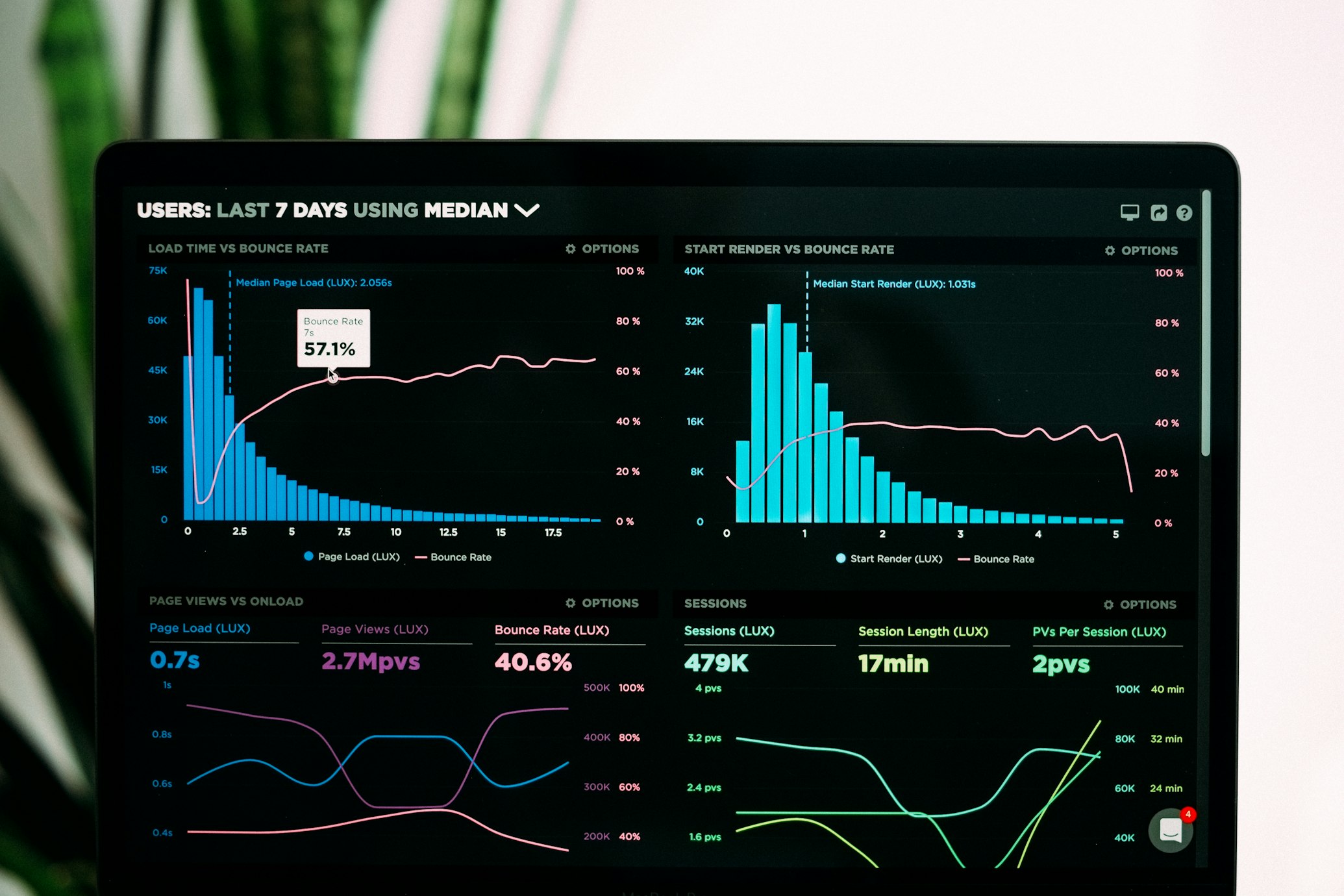
In the high-velocity, algorithmically dominated markets of 2026, economic news remains the primary catalyst for massive, directional price movements. While technical analysis provides the "where," fundamental data provides the "when" and the "why." For the uninitiated, the economic calendar is a chaotic wall of numbers; for the professional analyst, it is a strategic roadmap of opportunity. This 2500+ word masterclass breaks down the mechanics of news trading in the modern era, from identifying Tier-1 market movers to navigating the "Liquidity Vacuums" and utilizing AI-driven sentiment analysis to anticipate institutional flow.
Written By
ForexRater Research Team
Data-driven broker comparison · Independently tested · No paid rankings
Reviewed against our published methodology →Reviews represent the editorial opinion of ForexRater and are not personal financial advice.
1. The Hierarchy of News: Identifying Tier-1 Market Movers
Interactive Component: economic calendar Logic
Not all news is created equal. In the data-saturated environment of 2026, the market is flooded with hundreds of releases every week, but only a handful have the power to shift global trends. As a professional news trader, your first task is to filter out the "noise" and focus exclusively on the "signals" that drive institutional capital flows.
The Big Three in 2026:
1. Central Bank Decisions (Interest Rates & Forward Guidance): This is the most powerful force in the forex market. When a central bank (like the Federal Reserve or the ECB) changes interest rates, it alters the "yield" of a currency, causing massive, long-term capital reallocations. In 2026, the "Forward Guidance"—the language used in the following press conference—is often more volatile than the rate decision itself.
2. Employment Data (Non-Farm Payrolls & Unemployment Rates): A healthy labor market is the engine of a strong economy. Strong employment data typically signals future inflation and higher interest rates, leading to a stronger currency. The US Non-Farm Payrolls (NFP) remains the "Granddaddy" of all news releases, often causing 100+ pip moves in seconds.
3. Inflation Data (CPI & PCE): In the post-2024 economic landscape, inflation has become the primary concern for central banks. High Consumer Price Index (CPI) readings force banks to be "Hawkish" (raising rates), while low readings allow them to be "Dovish" (lowering rates). Understanding the "Core" vs. "Headline" inflation is critical for accurate market anticipation.
2. Understanding the "Deviation": Expected vs. Actual
The market does not react to the news itself; it reacts to the deviation from the market consensus. If the market expects 200,000 new jobs and the actual number is 200,000, the price may not move at all because the news was already "priced in" to the current exchange rate.
The Formula for Volatility: The larger the gap between the "Forecast" (the consensus of economists) and the "Actual" result, the more violent the price reaction. In 2026, professional analysts use "Deviation Calculators" to determine the historical impact of specific data surprises. For example, a 0.2% deviation in US CPI might historically lead to a 40-pip move in EUR/USD within the first 5 minutes. Knowing these historical probabilities allows you to set realistic profit targets and stop losses.
The "Whisper Number": Beyond the official forecast, there is often a "whisper number"—the unofficial expectation of major hedge funds. If the official forecast is 2% but the "whisper" is 2.5%, an actual result of 2.3% might actually be seen as "disappointing," causing the currency to fall even though it beat the official forecast. This is the nuance of professional fundamental analysis.
3. Order Book Dynamics: The "Liquidity Vacuum"
Seconds before a Tier-1 news release, institutional algorithms often pull their limit orders from the market to avoid being caught in a "whipsaw" or "toxic flow." This creates a Liquidity Vacuum.
The Impact on Retail: When the news hits, the lack of orders means that even a small amount of volume can move the price significantly. This is why you see "Gaps" on the chart where no trading took place. For a retail trader, this means Slippage is almost guaranteed. If you try to enter at the exact moment of the release, your broker may fill you 20-30 pips away from your requested price. In 2026, professional news traders avoid "Market Orders" during the first 60 seconds of a release, instead using "Limit Orders" to control their entry price or waiting for the "Initial Reaction" to exhaust itself.
4. News Trading Strategies: Straddle, Fade, and Retracement
Order Workflow
Price hits resistance level
Interactive Component: order execution Logic
There are three primary institutional strategies for trading the economic calendar in 2026:
1. The Straddle (Momentum): You place a "Buy Stop" above the current price and a "Sell Stop" below it 2 minutes before the news. Whichever way the market explodes, you are taken into the trade. This strategy aims to capture the initial "shock" momentum. *Warning: In 2026, HFT algorithms often trigger both sides of a straddle before the real move begins, a phenomenon known as the "Double Whipsaw."*
2. The Fade (Mean Reversion): You wait for the initial "knee-jerk" reaction to reach an extreme level (often identified by a 2-standard deviation move or an RSI over 80). You then trade in the opposite direction, betting that the market has overreacted and will return to its fair value. This is a more conservative approach that requires high-level patience.
3. The Retracement (The Second Wave): You wait for the news to hit, the price to move, and then wait for a "pullback" to a key technical level (like a 50% Fibonacci retracement or a previous support/resistance zone). This allows you to enter the trend with a much tighter stop loss and a better risk-to-reward ratio.
5. AI Sentiment Analysis and NLP in 2026
In 2026, news trading is no longer just about numbers. Natural Language Processing (NLP) algorithms now scan news wires (Reuters, Bloomberg) and social media (X/Twitter) to gauge market sentiment in real-time.
The 2026 Edge: If a central bank governor uses the word "persistent" instead of "transitory" when describing inflation, the AI will detect the "Hawkish" shift and buy the currency before a human can even finish reading the sentence. As a retail trader, you can use "Sentiment Dashboards" provided by modern brokers to see if the overall market mood is "Risk-On" or "Risk-Off" before a major release. This allows you to align your trades with the "Big Data" flow that dominates the 2026 markets.
6. The 2026 Geopolitical Calendar: Beyond Economics
In the current era, geopolitical events are often more impactful than economic data. Trade wars, regional conflicts, and major elections can cause "Black Swan" events that override the economic calendar.
Safe Haven Flows: During times of geopolitical uncertainty, capital flows into "Safe Havens" like the US Dollar (USD), Swiss Franc (CHF), and Gold (XAU). Conversely, "Risk-On" currencies like the Australian Dollar (AUD) and the British Pound (GBP) tend to sell off. A professional news trader in 2026 must be as much a political scientist as an economist, monitoring global headlines alongside the interest rate schedule.
7. Risk Management: The "No-Trade" Zone
News trading is the "Extreme Sport" of the forex world. Without strict risk management, you will blow your account in seconds. Professional analysts follow three unbreakable rules:
1. Reduce Leverage: During news, volatility is 10x higher than normal. Reduce your position size by 50-75% to compensate for the wider stop losses required.
2. Wide Stop Losses: Tight stops will be "hunted" by the initial market noise. Give your trade room to breathe, or don't trade at all.
3. The "No-Trade" Zone: If the spread widens beyond a certain threshold (e.g., more than 5 pips on EUR/USD), or if the price action is too chaotic, walk away. The most profitable trade you can make during a news event is often the one you *don't* take.
Economic Calendar Trading 2026 — News Trading Masterclass Quiz
Test your understanding of the concepts covered in this masterclass.
1.What happens during a "Liquidity Vacuum" just before a major news release?
2.If the market expects a 0.25% rate hike and the central bank delivers exactly 0.25%, why might the currency price fall?
3.Which news trading strategy involves placing pending orders both above and below the current price before the release?
4.What is the primary concern for central banks when analyzing CPI data in 2026?
5.Why is it recommended to reduce position size during a Tier-1 news release?
📖 Key Terms — Forex Glossary
Not sure about a term?Browse our full Forex Glossary →
Frequently Asked Questions
Expert Answers to Common Queries