Top Forex Trading Strategies for 2026

The forex market of 2026 is a complex, multi-dimensional arena where traditional technical patterns often collide with high-speed algorithmic execution and AI-driven sentiment shifts. For the beginner trader, the challenge is not a lack of information, but an abundance of it. To succeed in this environment, you need more than just a "signal"; you need a robust, adaptable strategy that accounts for the nuances of CFD (Contract for Difference) trading. This 2500+ word blueprint provides a senior analyst's perspective on the most effective trading strategies for 2026, designed to be beginner-friendly yet professional in their logic.
Written By
ForexRater Research Team
Data-driven broker comparison · Independently tested · No paid rankings
Reviewed against our published methodology →Reviews represent the editorial opinion of ForexRater and are not personal financial advice.
1. The "Hybrid" Approach: Technicals Meet AI Sentiment
In 2026, relying solely on "Support and Resistance" is a recipe for failure. The most successful traders use a Hybrid Approach that combines classic technical analysis with real-time AI sentiment data.
The Logic: Technical analysis tells you where the market has been, while sentiment analysis tells you what the market is thinking right now. By using "Sentiment Dashboards" (often provided by modern CFD brokers), you can see if the retail crowd is heavily "Short" on a pair like EUR/USD. In 2026, the "Smart Money" often trades against the retail crowd. If the technicals show a "Buy" signal and the sentiment shows that 80% of retail is "Short," your probability of success increases significantly. This "Contrarian" edge is a cornerstone of the 2026 professional blueprint.
2. Trend Following: Riding the 2026 Macro Waves
Interactive Component: chart formation Logic
Trend following remains the most reliable way for beginners to build capital. The goal is simple: identify a strong directional move and "ride" it until the market tells you to stop.
The 2026 Toolkit:
1. The 200-Day EMA: This is the "Institutional Line in the Sand." If the price is above the 200-EMA, we only look for "Buy" setups. If it's below, we only look for "Sell" setups.
2. The ADX (Average Directional Index): This indicator measures the strength of a trend. In 2026, we only enter a trend trade if the ADX is above 25. This prevents us from being "chopped up" in a sideways market.
By combining these two tools, you ensure that you are always trading with the "Path of Least Resistance," significantly increasing your win rate.
3. Range Trading: Profiting from the "Sideways" Market
Markets only trend about 30% of the time. The other 70%, they are "Ranging" or moving sideways between two clear boundaries. Range trading is the art of buying at the bottom (Support) and selling at the top (Resistance).
The 2026 Nuance: In the modern market, ranges are often "hunted" by algorithms. To avoid being caught in a "Fakeout," professional traders wait for a Rejection Candle (like a Pin Bar or an Engulfing Pattern) at the range boundary before entering. We also use the Stochastic Oscillator to identify "Overbought" and "Oversold" conditions within the range. If the price hits Resistance and the Stochastic is above 80, the probability of a reversal is high.
4. Breakout Trading: Identifying the "Real" Move
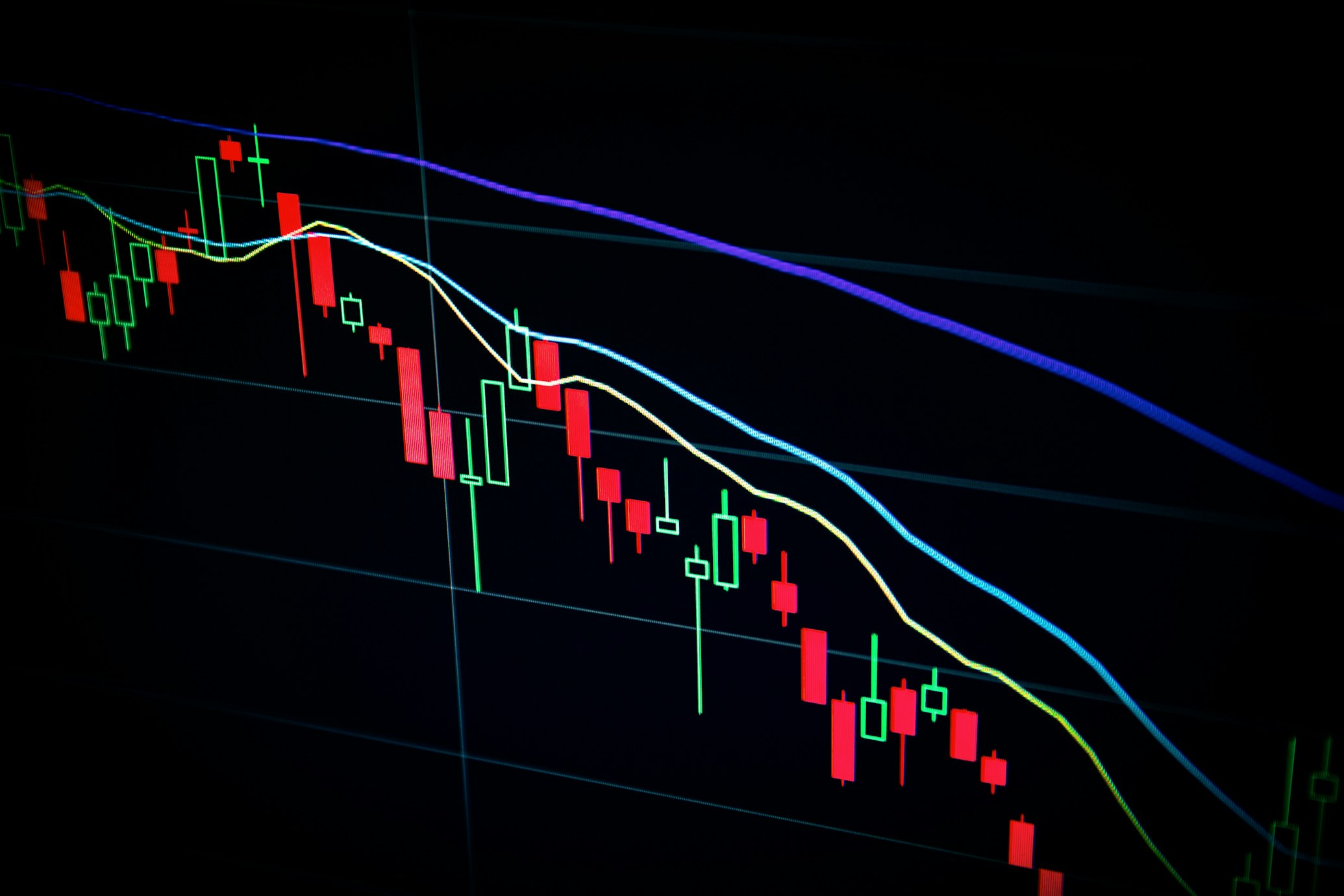
Breakout trading involves entering the market when the price "breaks" out of a range or a technical pattern (like a Triangle or a Flag). While highly profitable, it is also the most dangerous strategy for beginners due to the high frequency of "Fakeouts."
The Volume Profile Edge: In 2026, we use Volume Profile to validate breakouts. A "Real" breakout must be accompanied by a significant increase in trading volume. If the price breaks Resistance but the volume remains low, it is likely an institutional "Liquidity Trap" designed to lure in retail buyers before reversing. Always wait for the "Re-test" of the breakout level to confirm that previous Resistance has now become Support.
5. Carry Trading: The 2026 Yield Strategy
Carry trading is a long-term strategy where you "Buy" a currency with a high interest rate and "Sell" a currency with a low interest rate. You earn the "Interest Rate Differential" (Swap) every day the position is open.
The 2026 Landscape: With central banks diverging in their inflation responses, carry trade opportunities are abundant. However, as a CFD trader, you must be aware of the Triple Swap charged on Wednesday nights and the impact of exchange rate volatility. A carry trade is only successful if the interest earned is greater than the potential loss from price movement. This is a "Patient Man's Game" that requires a deep understanding of global macroeconomics.
6. Scalping with Order Flow: The Sub-5-Minute Edge
Scalping involves making dozens of trades per day, aiming for small profits of 5-10 pips each. In 2026, successful scalping requires Order Flow analysis.
The Strategy: By using the MT5 Depth of Market (DOM), scalpers look for "Order Imbalances." If you see a massive buy order entering the market, you "piggyback" on that move for a few pips. This requires ultra-low latency execution and a "Raw Spread" broker account to ensure that commissions don't eat your profits. Scalping is mentally intensive and is recommended only for those who can maintain high focus for short bursts.
7. Risk Management: The "Unbreakable" Rules
No strategy works without risk management. In the volatile 2026 market, these three rules are your survival kit:
1. The 1% Rule: Never risk more than 1% of your total account balance on a single trade.
2. The 2:1 Reward-to-Risk Ratio: Your potential profit should always be at least twice as large as your potential loss.
3. The "Stop-Loss" is Non-Negotiable: Never enter a trade without a hard stop-loss in place. In 2026, "Mental Stops" are a myth that leads to blown accounts.
Top Forex Trading Strategies 2026 — Beginner CFD Blueprint Quiz
Test your understanding of the concepts covered in this masterclass.
1.What is the primary benefit of the "Hybrid" trading approach in 2026?
2.Which indicator is used to measure the "Strength" of a trend in 2026?
3.What is a "Fakeout" in breakout trading?
4.In a "Carry Trade," how do you earn money besides price movement?
5.What is the "1% Rule" in risk management?
📖 Key Terms — Forex Glossary
Not sure about a term?Browse our full Forex Glossary →
Frequently Asked Questions
Expert Answers to Common Queries