Copy Trading & Social Trading Guide
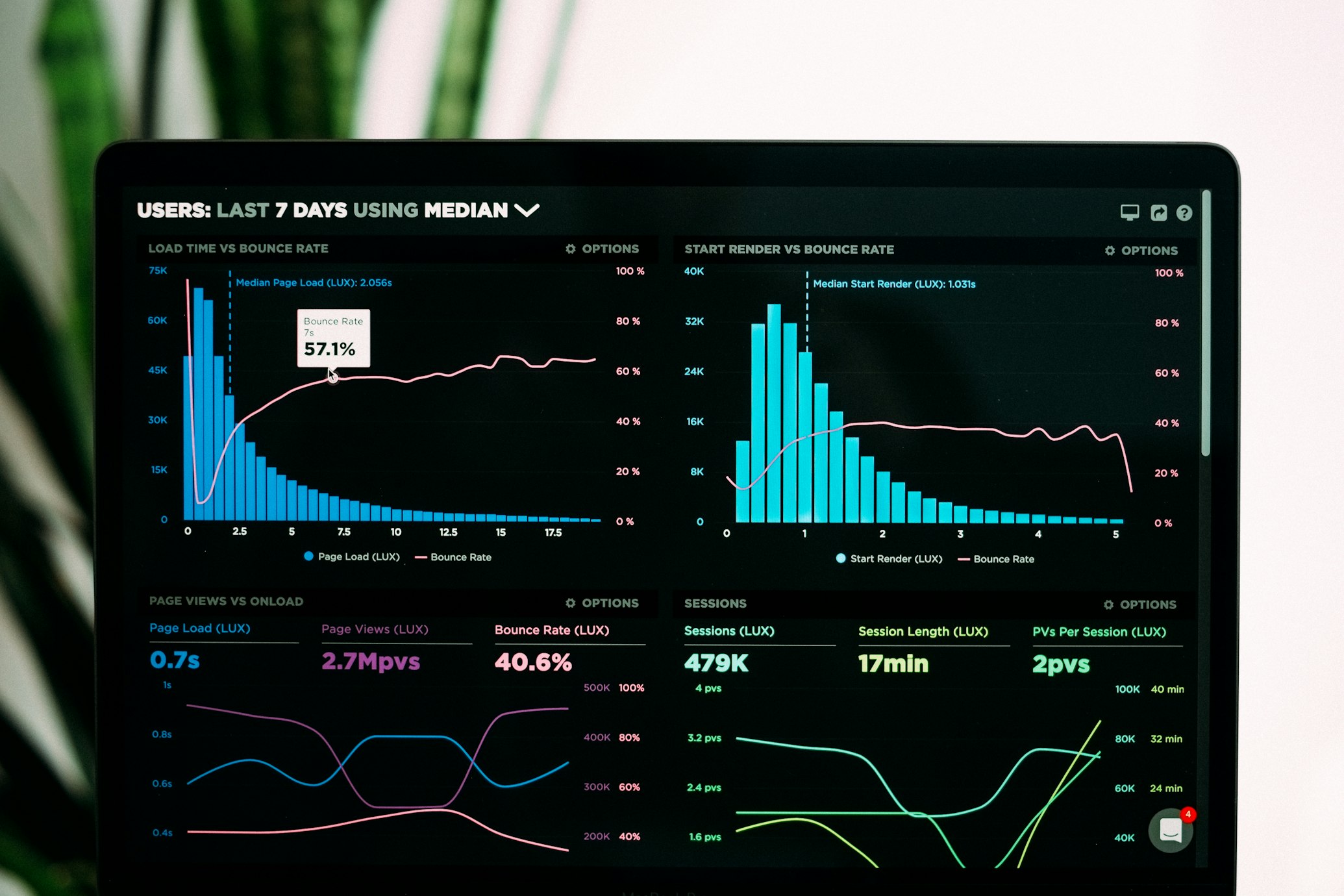
Copy trading allows you to automatically mirror the trades of experienced professionals in real-time. In 2026, social trading platforms have evolved into sophisticated ecosystems with advanced risk management tools and AI-filtered signal providers. While it offers a "shortcut" to market participation, it is not a "set and forget" strategy. This 2000+ word guide explains how to build a diversified portfolio of traders while protecting your capital from the risks of "blow-up" accounts in the volatile 2026 environment.
Written By
ForexRater Research Team
Data-driven broker comparison · Independently tested · No paid rankings
Reviewed against our published methodology →Reviews represent the editorial opinion of ForexRater and are not personal financial advice.
Key Takeaways: Copy Trading Explained
Copy trading automatically mirrors a professional's trades in your account at a proportional size — if the Master Trader risks 1% of their capital, the system risks 1% of yours.
Never judge a Master Trader on total return alone. Verify at least 12-24 months of trading history, a maximum drawdown under 15-20%, and consistent use of stop losses before copying.
A profit factor above 1.5 is good and above 2.0 is exceptional — it measures gross profit divided by gross loss and signals a durable edge rather than a lucky streak.
Diversify across multiple traders: allocate no more than 20% of your capital to any single Master Trader, so one blow-up cannot destroy your whole portfolio.
Set a hard equity stop at the account level — an automated safety net that halts all copying and closes open positions if your balance falls below a threshold you set.
Avoid Martingale and "no stop loss" traders. Doubling position size after every loss can wipe out an entire account during a single losing streak, no matter how good the past returns look.
How Does Copy Trading Work in 2026?
When a "Master Trader" opens a position, the same trade is automatically executed in your account at a proportional size. If the Master Trader risks 1% of their $100,000 account, the system will risk 1% of your $1,000 account. This technology has become seamless in 2026, with near-zero latency between the master and follower accounts.
The Benefit: You benefit from the expertise, time, and emotional discipline of a professional without having to master the technical details yourself. It is the ultimate form of "leveraging someone else's brain" to grow your own wealth.
In 2026, "Multi-Asset" copy trading is the norm, allowing you to copy traders specializing in everything from Forex and Gold to Crypto and US Tech Stocks from a single interface.
How Do You Choose a Master Trader to Copy?
In 2026, choosing a trader based only on their "Total Return %" is a recipe for disaster. Many high-return traders use dangerous "Martingale" or "Grid" strategies that show linear growth for months before a single event blows the entire account.
The Professional Audit Checklist:
1. Track Record: Look for at least 12-24 months of verified trading history. Avoid "new" traders with spectacular 1-month results.
2. Maximum Drawdown: Has the trader ever lost more than 15-20% of the account? If yes, their risk management is likely too aggressive for long-term survival.
3. Consistency: Does the trader trade every day/week, or are their gains from a few lucky "gambles"? Look for a smooth equity curve.
4. Risk-to-Reward: Does the trader use stop losses? If a trader has "No Stop Loss" listed, or their average loss is much larger than their average win, avoid them at all costs. In 2026, "No SL" trading is a ticking time bomb.
5. Profit Factor: A profit factor above 1.5 is considered good; above 2.0 is exceptional. This measures the gross profit divided by gross loss.
According to the UK's Financial Conduct Authority (FCA), automatically mirroring another person's trades can amount to regulated discretionary investment management, so a compliant copy-trading provider must be FCA-authorised. Always verify a platform's status on the FCA Register before allocating capital.
How Much Should You Risk When Copy Trading?
Even if you are copying a professional, you must manage your own risk. In 2026, advanced platforms allow you to set "Hard Stop Equity" limits at the account level. This is your ultimate safety net.
The Strategy: Never allocate more than 20% of your total capital to a single Master Trader. If you have $5,000, copy 5 different traders with $1,000 each. This diversification ensures that if one trader has a "black swan" event or a psychological breakdown, your entire portfolio isn't destroyed. Think of yourself as a "Fund Manager" selecting the best "Portfolio Managers."
In 2026, you can also set "Multiplier" limits, where you copy a trader at 0.5x their risk if you want to be more conservative than the master.
Under ESMA's product-intervention rules, brokers must prominently display the share of retail CFD accounts that lose money — a reminder that copying a professional does not remove market risk.
How Does AI Filter Copy Trading Signals in 2026?
In 2026, many social trading platforms use AI algorithms to rank and filter Master Traders. These AI systems analyze thousands of data points, including trade duration, volatility of returns, and even the "sentiment" of the trader's public comments.
The Pro Tip: Use these AI filters to find "Low Volatility" traders. While their returns might be lower (e.g., 2-3% per month), their risk of a catastrophic loss is significantly lower. In the world of passive income, consistency is king.
AI can also detect "Strategy Drift," alerting you if a trader suddenly changes their style (e.g., starts risking more or holding losers longer), which is often a precursor to an account blow-up.
How Do You Diversify a Copy Trading Portfolio?
The ultimate goal of social trading in 2026 is to build a "Market Neutral" portfolio. This means copying traders with different styles that perform well in different market conditions.
The Ideal Mix:
| Trader Style | Best Market Condition | Key Characteristic |
|---|---|---|
| Trend Follower | Trending markets | Rides sustained directional moves |
| Mean Reversion Specialist | Range-bound / overextended markets | Profits when price returns to its mean |
| Scalper | Low-volatility markets | High win rate, many small gains |
| Fundamental Analyst | High-impact news events | Trades economic shifts and data releases |
By combining these styles, you create a portfolio that can generate returns regardless of whether the market is crashing, mooning, or moving sideways.
What Are the Most Common Copy Trading Mistakes?
1. Chasing Past Performance: Just because a trader made 500% last year doesn't mean they will do it again. Often, high past performance indicates high risk.
2. Ignoring Drawdown: A trader with a 50% drawdown is a gambler. One bad day will wipe you out.
3. Over-Leveraging: Setting your copy multiplier too high can lead to margin calls even if the master trader is safe.
4. Emotional Interference: Manually closing trades that the master trader opened. If you don't trust the master, don't copy them.
Copy Trading & Social Trading Guide: The 2026 Passive Income Blueprint Quiz
Test your understanding of the concepts covered in this masterclass.
1.What is the biggest risk of choosing a Master Trader based solely on their high percentage return?
2.What is "Diversification" in the context of copy trading?
3.What does a "Maximum Drawdown" of 20% mean?
4.Why is it dangerous to copy a trader who uses a "Martingale" strategy?
5.What is a "Hard Stop Equity" limit?
📖 Key Terms — Forex Glossary
Not sure about a term?Browse our full Forex Glossary →
Frequently Asked Questions
Expert Answers to Common Queries